

Kathmandu—Stakeholders have expressed concern that ongoing political instability in the country could provide an opportunity for the tobacco industry to obstruct the implementation of key tobacco control laws, including increased taxation and the mandatory 100% pictorial health warnings (PHWs) on cigarette packs.
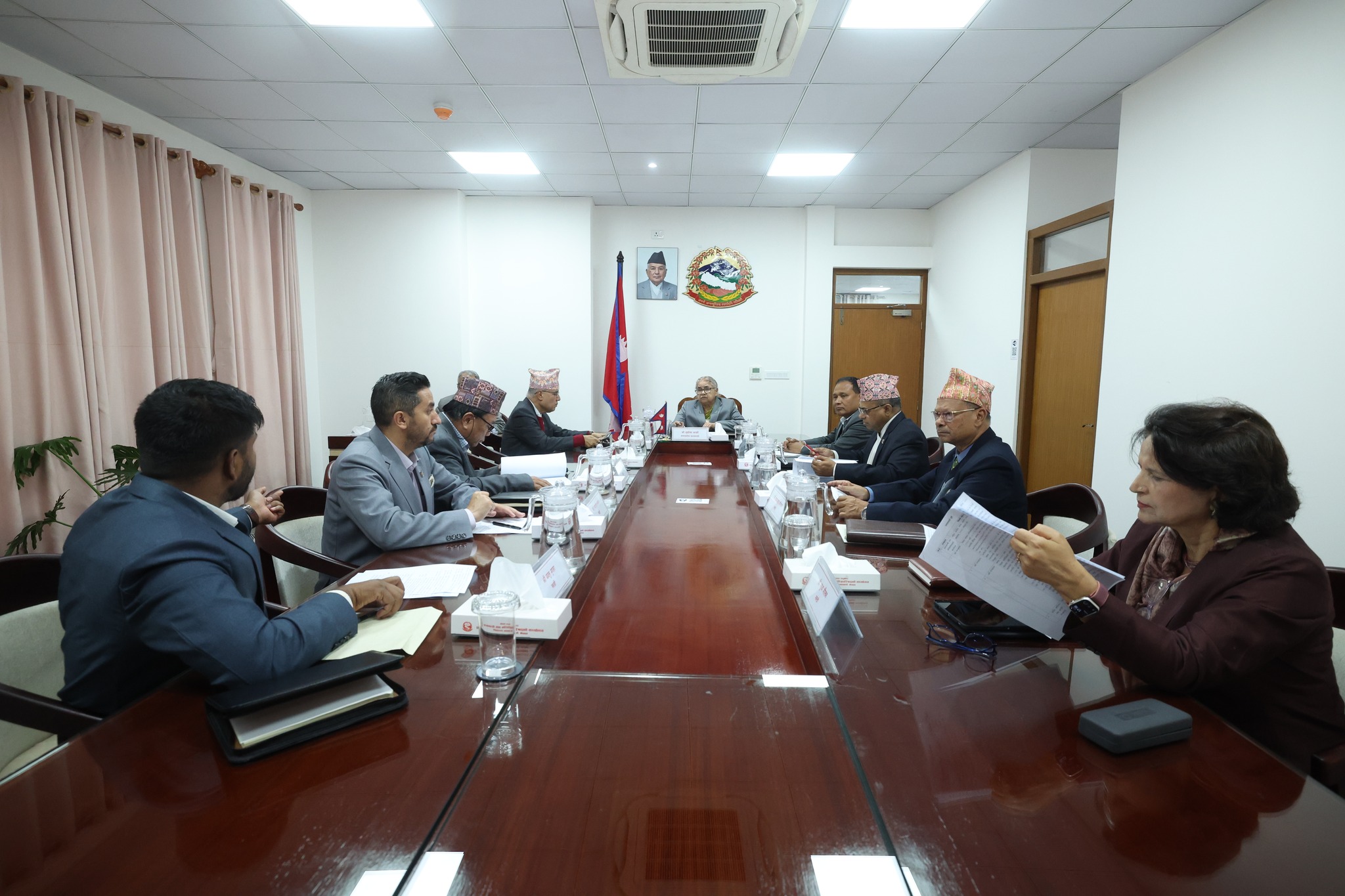
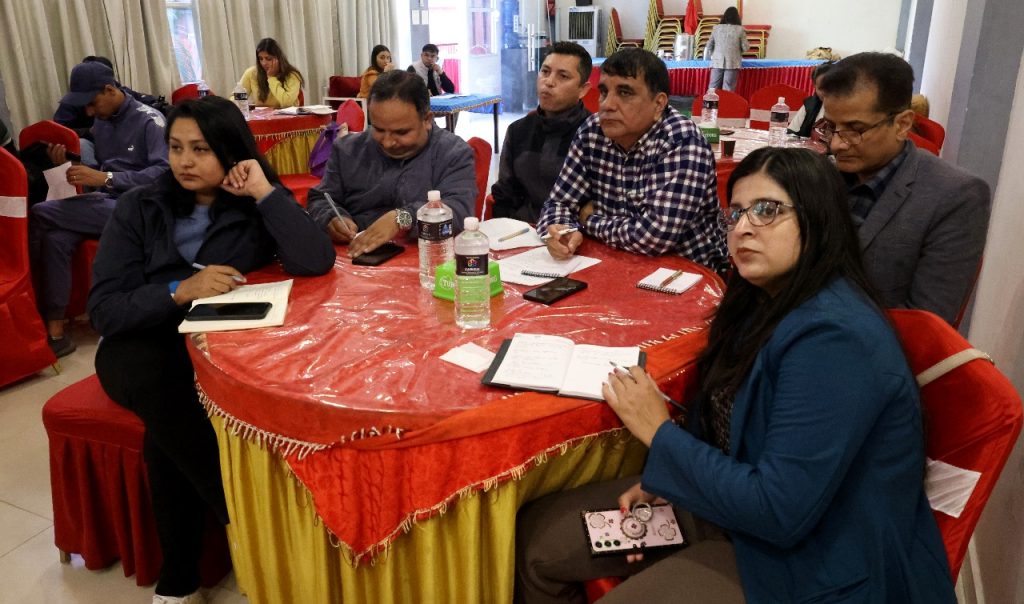
During an interaction program organized by the Swasthya Khabar Foundation, participants stressed the need for heightened alertness, warning that tobacco companies may attempt to influence policy decisions. Many pointed out that, following the Gen Z movement, industrial groups have pushed for the revival of the Janakpur Cigarette Factory, raising questions about their growing influence.
Dr. Radhika Thapaliya, Director of the National Health Education, Information, and Communication Centre, noted persistent challenges in enforcing existing tobacco laws.
‘Despite clear rules—such as prohibiting sales to anyone under 18, banning loose cigarette sales, and disallowing open display—the implementation remains weak,’ she said.
She highlighted that global studies consistently show reduced tobacco consumption when taxes are increased and emphasized the continued role of the media in discouraging tobacco use. ‘Regular awareness campaigns through the media can bring positive results,’ she added.
Gopi Krishna Regmi, undersecretary at the Ministry of Health and Population, reiterated that a tobacco-free Nepal is a shared national goal. He explained that the Ministry’s directive issued on Magh 21 mandates 100% pictorial warnings on all tobacco packaging.
However, he noted that legal petitions filed by the tobacco industry have delayed implementation. ‘All necessary documents have been submitted to the court. Our position is clear—this rule must be enforced fully,’ he said, urging all stakeholders to remain vigilant so that no party misuses the situation.
Action Nepal President Anand Bahadur Chand reminded participants that attempts to obstruct tobacco regulations are not new. He said the practice of delaying public health laws by filing court cases is common globally but noted that courts often uphold public health interests.
‘Research shows that 90% pictorial warnings are effective, so Nepal’s move to 100% warnings is likely to have a long-term positive impact.’ Chand added.
Public health administrator Upendra Dhungana presented technical insights on 100% pictorial warnings and plain packaging. He suggested discussions on banning single companies from producing multiple brands, citing Australia’s experience, where tobacco companies lost cases in both national and international courts.
Swasthya Khabar Foundation Chairperson Prabin Dhakal said the discussion was organized to bring public health priorities back into focus after they were overshadowed by recent political movements. He reaffirmed the Foundation’s commitment to pushing tobacco control issues forward.
During the program, journalists and public health advocates raised concerns regarding budget utilization and the status of ongoing court cases. Journalist Ram Prasad Neupane asked about the legal proceedings, while Press Council Nepal member Padam Raj Joshi noted that the budget allocated for awareness activities was not being used effectively.
Health Concern Chairperson Dr. Subash Pyakurel shared insights on the impact of existing laws and recommended strengthening awareness campaigns. Journalist Atul Mishra added that knowledge alone does not change behavior, calling for structured behavior-change strategies.
Earlier this year, the government passed the ‘Directive on Printing and Labeling Warning Messages and Pictures on Tobacco Packages, 2081’, which was scheduled to come into effect from Bhadra. However, court cases filed by tobacco companies have stalled enforcement. Stakeholders expressed hope that the Supreme Court will soon issue a decision favoring public health.
swasthyaadmin
Published: November 14, 2025