

Kathmandu — Stakeholders have expressed serious concern that Nepal’s public health laws are becoming increasingly difficult to protect due to alleged connections between government leadership and the tobacco industry.
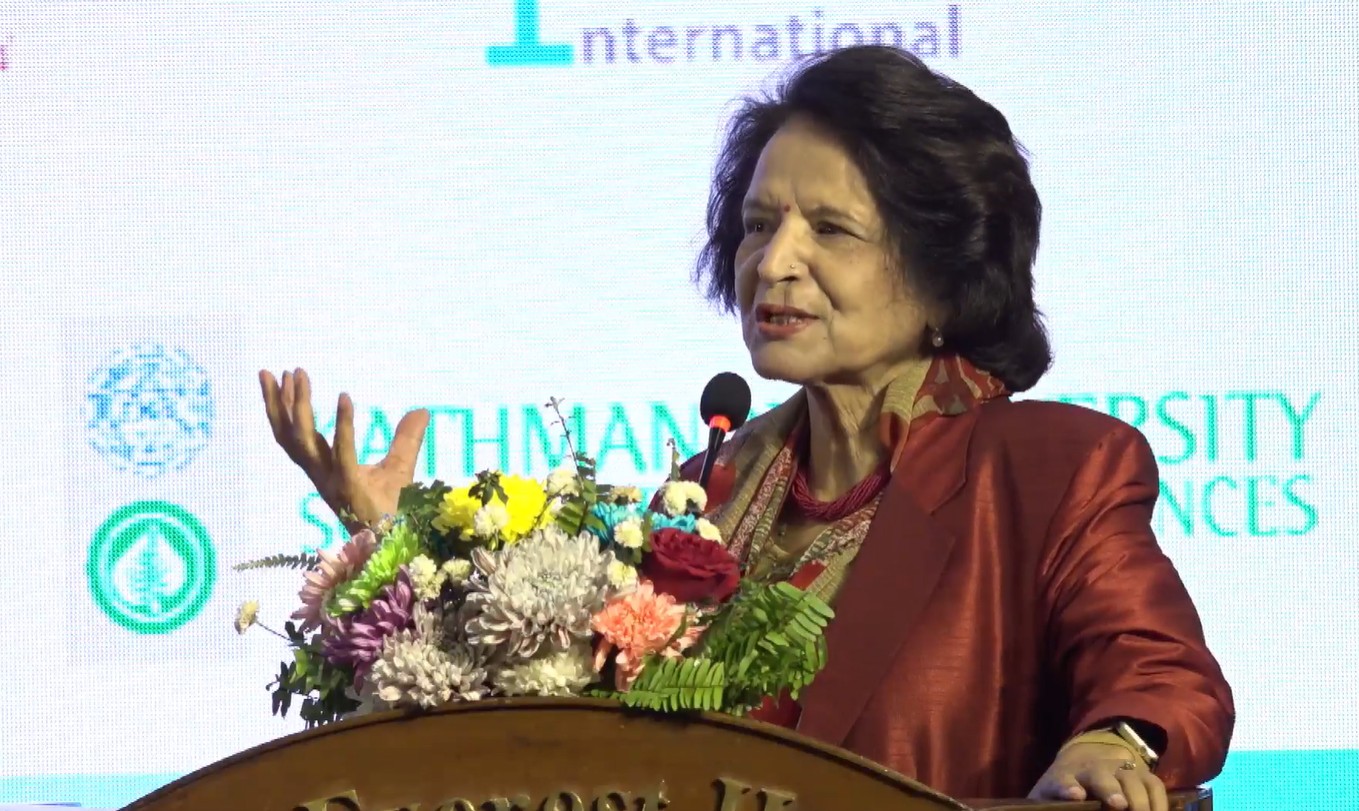
Speaking at an interaction program held in Kathmandu on Friday, Dr. Tara Singh Bam, Asia Pacific Regional Director at Vital Strategies, said the core challenge no longer lies in confronting the tobacco industry alone but in safeguarding government policies from interference originating within the government itself.
“We are not afraid of the industry; we know how to fight it,” Dr. Bam said. “The real challenge is how to protect government policies when the threat comes from within the government.” He added that Nepal might be among the few countries where one ministry actively attempts to block or undermine laws formulated by another, rather than respecting and enforcing them.
Dr. Bam noted that while many countries are moving toward plain packaging of tobacco products, Nepal continues to face obstacles even in implementing the existing 100% pictorial health warning guidelines. Citing Myanmar as having already enforced plain packaging and countries like Thailand and Singapore progressing in that direction, he said Nepal must not fall behind. He also urged the government to take special initiatives to create a “nicotine-free generation,” particularly targeting Gen Z.
Jyoti Baniya, president of the Consumer Welfare Protection Forum Nepal and a senior advocate, said obstructing the implementation of laws has become a routine strategy for business groups. He alleged that even bills that reach Parliament are influenced or stalled and that filing cases in court has become a regular tactic. Although delays in verdicts have occurred due to incidents such as court buildings being damaged by fire during Gen-Z protests, he noted that rulings have largely favored public health.
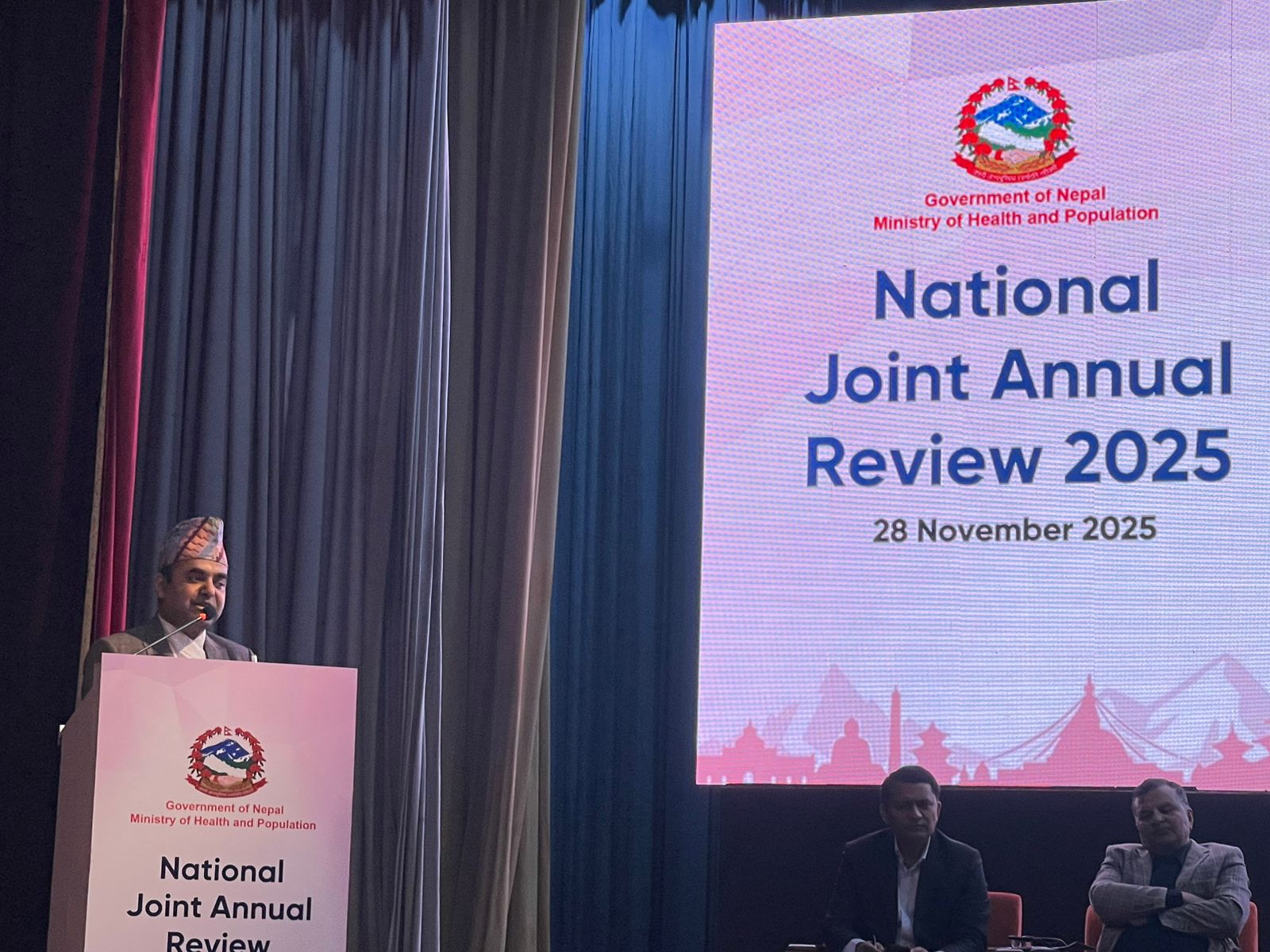
Dr. Radhika Thapaliya, Director of the National Health Education, Information and Communication Center (NHEICC), highlighted Nepal’s long-standing problem of laws being enacted but not effectively implemented. She stressed that this culture must be broken. “We have found that businesses are actively spreading misinformation to promote tobacco use. Preventing this requires strong collaboration among all stakeholders,” she said.
From the Ministry of Health and Population (Health Tax Fund), Under Secretary Gopi Krishna Regmi said tobacco businesses use multiple strategies to obstruct government laws. He explained that individuals with close links to government institutions, sometimes retired officials, are appointed as public relations officers to access internal information and influence policy processes. He added that the same “loophole-based” strategies have been used to delay the implementation of 100% pictorial health warnings.
He said the government’s practice of honoring companies that produce products harmful to public health as “high tax-paying companies” needs to be reconsidered.
Senior public health administrator (NHEICC) Upendra Dhungana warned that the tobacco industry is increasingly shifting its focus toward e-cigarettes and vaping products. “Young people are becoming more engaged with e-cigarettes and vapes than traditional cigarettes,” he said, adding that digitally driven campaigns such as so-called ‘smoke-free movements’ present a new and complex challenge for tobacco control efforts.
Dr. Pamir Gautam, Research Officer at Action Nepal, delivered a detailed presentation highlighting that individuals with links to the tobacco industry are positioned within centers of power. He mentioned that additional challenges have been added, as the same person who has been advocating for the tobacco industry has become a minister in the Gen Z-led government, which is said to have come for good governance.
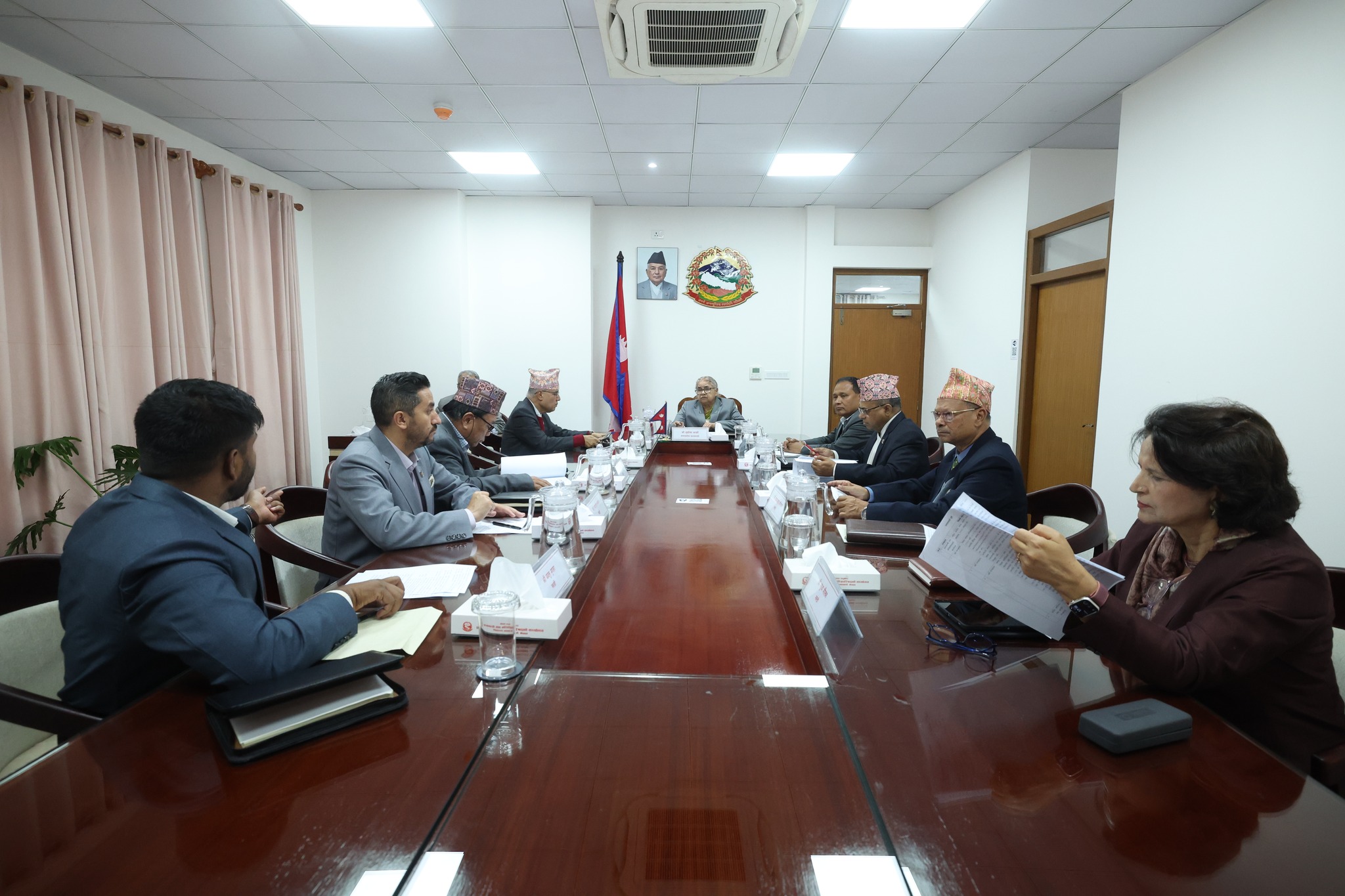
Participants concluded that without strong political commitment, inter-ministerial accountability, and protection of public health policies from industry interference, Nepal’s tobacco control efforts remain at serious risk.
swasthyaadmin
Published: December 14, 2025